Sitting Cat Line Art SVG: A Designer's Review
As someone who spends more time staring at stitch previews than I do sleeping, I approach every new digital embroidery file with a healthy dose of skepticism. We have all been there: you download a cute graphic, load it into your software, and realize the lines are too close together for a clean run-out or the shapes are too complex for a small hoop. That is why I was genuinely interested to put the Sitting Cat Line Art SVG through its paces. This isn't just about whether the image looks good on a screen; it is about how it translates from a vector path to a tangible handmade product that a customer will wear, wash, and love.
The First Impression: Minimalism with Personality
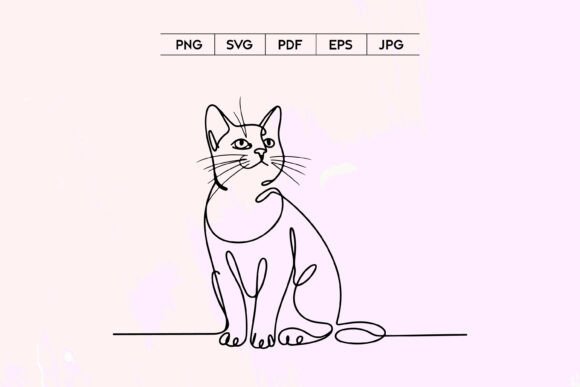
When I first opened the file, the immediate takeaway was its elegant simplicity. In the world of Illustrations and Graphics, less is often more, especially when you are dealing with thread. The Sitting Cat Line Art SVG captures the essence of a feline without getting bogged down in unnecessary detail. The posture is relaxed yet alert, with a tail that curves naturally around the body, creating a self-contained shape that is perfect for various placements.
The line weight appears consistent, which is a critical factor for embroidery. If lines are too thin, they disappear on textured fabrics; if they are too thick, they look blocky. This design strikes a balance that suggests it would work beautifully as a running stitch outline or a very light satin stitch border. The "minimalist" tag in the description is accurate, but it doesn't feel sterile. There is a warmth to the silhouette that makes it suitable for everything from high-end boutique branding to cozy home decor.
Real-World Application: The Tote Bag Test
To truly evaluate this design, I imagined a specific real-life scenario: a custom order for a local cat rescue fundraiser. The client wanted a series of tote bag designs that were modern enough for daily use but clearly communicated their love for animals. The Sitting Cat Line Art SVG immediately came to mind as the primary candidate.
For a canvas tote, you need a design that holds up against the rough texture of the fabric. A highly detailed portrait might get lost in the weave of the canvas, but this line art is bold enough to stand out. I visualized stitching this in a single color—perhaps a deep charcoal or a warm terracotta—against a natural beige bag. The open space within the cat's outline allows the fabric texture to show through, giving the finished product a breathable, organic feel. It avoids the "plastic" look that sometimes happens with dense fill stitch areas on porous materials.
Beyond totes, I can see this working exceptionally well on sweatshirt embroidery. French terry or fleece has a lot of loft, and simple line art prevents the design from sinking into the pile. Placed on the left chest or centered on the back, it offers a subtle, sophisticated look that appeals to adult customers, not just children. It elevates the garment from a basic piece of clothing to a statement piece for a craft business or Etsy seller.
Navigating Fabric Challenges and Hoop Sizes
While the design is versatile, a professional reviewer must also highlight where caution is needed. The beauty of line art lies in its continuity. If you are stitching on a stretchy fabric like a jersey knit for baby embroidery or a fitted tee, stability is key. Without a proper stabilizer, those clean lines could warp during washing, turning a sleek cat into a wavy mess. I would strongly recommend using a cut-away stabilizer for garments that will undergo frequent laundering to maintain the integrity of the outline.
Another consideration is the hoop size. Because the cat is sitting with its tail wrapped around, the design has a specific width-to-height ratio. If you are working with a small 4x4 hoop for a custom apparel pocket or a baby onesie, you need to ensure the entire silhouette fits without cropping the tail or ears. Always check the dimensions in your embroidery software before committing to the stitch. Additionally, on dark fabrics, a single-line outline might vanish. In these cases, consider doubling the line or adding a subtle underlay to create contrast, ensuring the visual appeal remains high regardless of the background color.
Ideal Projects for This Design
Based on the structure of the Sitting Cat Line Art SVG, here are the projects where I believe it will shine brightest:
- Embroidered Patches: The closed-loop nature of the sitting pose makes it ideal for merrow-edge patches. The clean lines define the shape perfectly for die-cutting.
- Kitchen Towels and Aprons: Linen or cotton tea towels benefit from the airy feel of line art. It adds a touch of whimsy to the kitchen without overwhelming the utility of the item.
- Nursery Decor: For a personalized gift like a pillow cover or wall hanging, the gentle curves of the cat fit the soft aesthetic of a baby's room.
- Holiday Embroidery: Imagine this cat wearing a tiny stitched Santa hat or sitting next to a pumpkin. The base design is simple enough to allow for seasonal additions without looking cluttered.
- Boutique Branding: Small shop owners can use this as a logo element on hang tags or packaging, leveraging the SVG and PDF files included in the package for print purposes.
Technical Notes for the Serious Stitcher
Before you start stitching for a client, there are a few practical steps you should take. First, always test the design on a scrap piece of the actual fabric you intend to use. Thread tension can behave differently on denim versus flannel. Check your thread colors; while black is classic, trying a variegated thread could add an interesting dimension to the line work, though solid colors usually offer better clarity for line art.
Since the product includes multiple formats like SVG, PNG, EPS, JPG, and PDF, you have flexibility. However, remember that for machine embroidery, you will likely need to digitize this vector file into a specific machine format unless a pre-digitized version is provided separately. If you are digitizing it yourself, pay attention to the stitch density. Keep it light to preserve the "line art" aesthetic. Over-digitizing can turn these delicate outlines into thick ropes of thread, losing the charm of the original Illustrations.
Furthermore, verify the licensing terms. As an Etsy seller or creative entrepreneur, you need to know if you can sell unlimited finished products or if there are restrictions on commercial use. The description mentions "commercial embroidery projects," but it is always wise to double-check the specific license included with your download to protect your small shop product line.
Final Verdict: A Versatile Asset
The Sitting Cat Line Art SVG is a strong contender for any designer's library. It bridges the gap between digital Graphics and tactile embroidery with grace. Its strength lies in its adaptability; it is simple enough for beginners to stitch without frustration but stylish enough for professionals to incorporate into high-value items. Whether you are making a holiday embroidery gift for a friend or producing inventory for a craft fair, this design offers a reliable foundation. Just respect the fabric, choose your stabilizer wisely, and let the clean lines of this elegant feline do the talking. It is a design that proves you don't need complexity to create something memorable.