Candy Cane Lane Hot Chocolate Bar SVG: A Designer's Review
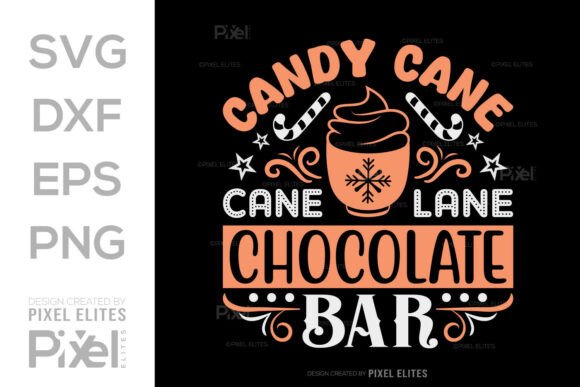
As a designer who spends more time staring at stitch simulations than I do sleeping during the holiday rush, I am always skeptical of seasonal graphics that promise "festive charm" but deliver a nightmare of underlay issues. When I first pulled up the Candy Cane Lane Hot Chocolate Bar SVG on my screen, my initial reaction was one of cautious optimism. There is a specific mood this design aims for—a cozy, culinary winter vibe that sits somewhere between a high-end boutique cocoa shop and a nostalgic family gathering. Visually, it works. The layout suggests a playful yet structured approach to holiday embroidery, making it a strong candidate for those looking to elevate their T-Shirt Designs beyond the standard snowflake or reindeer motifs.
The First Stitch Test: Texture and Clarity
The true test of any digital embroidery file isn't how it looks in a vector preview; it is how it behaves when the needle hits the fabric. I decided to run a real-world scenario to see if this graphic could hold up in a commercial setting. My goal was to create a custom embroidered tote bag for a local coffee roaster who wanted to launch a limited-edition holiday blend. The Candy Cane Lane Hot Chocolate Bar SVG seemed perfect for this application because it bridges the gap between food imagery and winter decor.
Upon digitizing the SVG into a machine embroidery design, I paid close attention to the line weights. One common pitfall with holiday graphics is overly thin lines that get lost in the pile of towels or fleece. This design, however, features bold enough elements to translate well into a satin stitch or a tight fill stitch. The candy cane elements provide excellent contrast opportunities. If you are working with a dark navy or forest green fabric, swapping the traditional red and white for metallic gold and cream thread colors could turn this from a cute craft project into a premium small shop product.
Navigating Fabric Challenges
While the design shines on stable cotton canvases, I need to be honest about where you should proceed with caution. If you plan to use this on stretchy fabrics like a lightweight jersey tee or a thin baby onesie, the stitch density becomes a critical factor. Heavy fill areas can cause puckering if the stabilizer isn't robust enough. For a project like sweatshirt embroidery, I recommend using a cut-away stabilizer rather than tear-away to ensure the design remains crisp after multiple washes.
Another consideration is the scale. If you are attempting to shrink this down for a left-chest logo on a cap or a small embroidered patch, you must inspect the tiny details. Small text or intricate swirls near the "steam" of the hot chocolate might merge together if the hoop size is too restricted. Always run a test stitch-out on scrap fabric that matches your final material. This is non-negotiable for maintaining brand consistency and customer trust. A messy finish on a holiday gift can ruin the perceived value of your entire craft business.
Commercial Viability and Product Fit
For Etsy sellers and apparel decorators, the versatility of a design determines its ROI. The Candy Cane Lane Hot Chocolate Bar SVG fits naturally into several high-demand categories. Beyond the obvious holiday embroidery on aprons and kitchen towels, consider its potential for nursery decor. A muted version of this design on a neutral linen pillow cover creates a soft, winter-themed aesthetic that appeals to parents looking for something less garish than traditional Christmas reds.
I also see strong potential for this graphic in the realm of custom apparel for corporate gifts. Imagine a set of matching hoodies for a café staff or a family reunion held in December. The theme is specific enough to feel personalized but general enough to appeal to a broad audience. When creating printable mockups for your online store, this design offers great visual interest. It photographs well because the shapes are distinct, allowing potential buyers to immediately grasp the texture and depth of the finished stitch work.
Maximizing Visual Appeal
The strength of this Graphics asset lies in its ability to convey warmth. In a market saturated with generic holiday clipart, a design that evokes the specific sensory experience of hot chocolate stands out. It triggers a sense of comfort, which is exactly what customers want when buying personalized gifts. However, to maximize this appeal, you must be deliberate with your thread choices. High-sheen rayon threads can make the "chocolate" elements look appetizingly rich, while matte cotton threads might give it a rustic, handmade feel. Both are valid, but they serve different market segments.
Be mindful of the background color. On white fabric, the design relies entirely on the thread contrast. On dark fabric, you may need to incorporate a satin stitch border or an underlay layer to prevent the fabric from peeking through the fill stitches, which can degrade the professional look of the finished product. If you are selling these as design assets for other makers, include notes on recommended thread palettes to help them achieve the best results.
Final Verdict for the Working Designer
After evaluating the Candy Cane Lane Hot Chocolate Bar SVG through the lens of practical production, I believe it is a solid addition to your winter library. It avoids the trap of being too childish or too complex, striking a balance that works for both baby embroidery projects and adult apparel. However, success depends entirely on your preparation. Do not assume the SVG is ready to stitch straight out of the folder. Check the licensing terms carefully before selling commercial embroidery items. Verify the file formats compatible with your machine.
Ultimately, this design is a tool. Its value is unlocked by your skill in selecting the right fabric texture, the appropriate hoop size, and the correct stabilizer. If you treat it with the respect a professional embroidery project demands, it can become a staple in your seasonal catalog, driving engagement and sales for your handmade goods. Just remember: the difference between a good design and a great product is often found in the details you check before the first stitch ever lands.