Banana Peel Splat: A Designer's Review for Bold Embroidery
As someone who spends hours staring at digitized files before committing thread to fabric, I approach new machine embroidery design acquisitions with a healthy dose of skepticism. We've all been there: a graphic looks fantastic on a screen, but the moment the needle hits the hoop, the details blur or the density becomes unmanageable. That is why I took a close look at the Banana Peel Splat Sticker Design. This isn't just another fruit motif; it is a piece of bold, slightly cheeky graphic art that demands attention. For Etsy sellers, boutique owners, and hobbyists looking to inject some personality into their custom apparel, this design offers a unique opportunity to break away from the standard floral and monogram trends.
First Impressions: Mood and Visual Personality
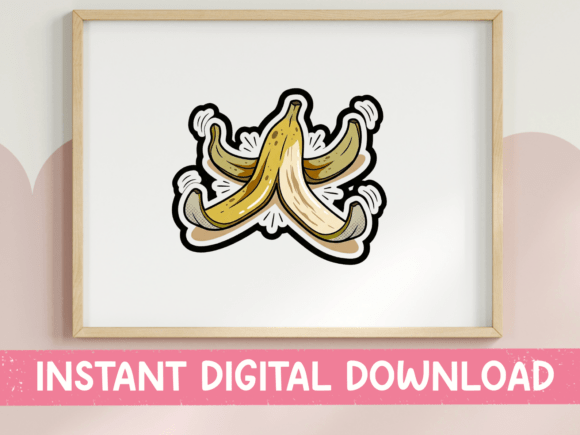
The first thing that strikes you about the Banana Peel Splat Sticker Design is its attitude. It doesn't try to be cute in a traditional sense; instead, it leans into a "sticker art" aesthetic that feels modern and urban. The concept of a flattened banana peel spread open in a star shape is inherently dynamic. In the world of T-Shirt Designs and Graphics, movement is key, and this layout delivers. The interplay between the yellow and ivory segments suggests a high-contrast visual that should translate well into thread, provided the digitizing supports clean color breaks.
For a designer, the mood here is playful but edgy. It fits perfectly into the current trend of irony and nostalgia in fashion. Imagine this stitched onto a streetwear hoodie or a canvas tote bag carried by a creative entrepreneur. It signals that the wearer doesn't take themselves too seriously. However, from a technical standpoint, the "splat" shape means we are dealing with organic curves and potentially sharp points where the peel segments meet. These are the areas where a poor embroidery file can fail, resulting in jagged edges or thread bunching.
Real-World Application: The Custom Tote Bag Scenario
To truly evaluate this design, I envisioned a specific real-life scenario: creating a line of limited-edition tote bags for a local coffee shop that wants to highlight their commitment to sustainability with a touch of humor. The Banana Peel Splat Sticker Design seemed like the perfect candidate. Tote bags usually offer a large, flat surface, which is ideal for showcasing the full spread of the star-shaped peel.
In this context, the design acts as a focal point. When stitched onto a natural cotton canvas, the yellow threads would pop vibrantly against the neutral background. The "sticker" style implies a border or a solid fill, which adds durability to the handmade product. Unlike a delicate outline that might snag, a well-executed fill stitch in the center of the peel segments would withstand the wear and tear of daily use. For an Etsy seller offering personalized gifts, this design could easily be adapted. You could add a small line of text beneath the splat, perhaps a pun about slipping up or staying grounded, turning a simple graphic into a conversation starter.
Furthermore, this design shines in sweatshirt embroidery. The texture of fleece or French terry provides a great backdrop for the smooth lines of a satin stitch border. If the design utilizes a combination of satin stitch for the outlines and fill stitch for the interior, it creates a tactile dimension that customers love to touch. This tactile quality increases the perceived value of the finished product, making it feel less like a mass-produced item and more like a curated piece of art.
Technical Considerations and Fabric Compatibility
While the aesthetic appeal is strong, practical execution requires careful planning. The Banana Peel Splat Sticker Design features distinct segments, which means there are likely several color changes. For a production run, this impacts timing. If you are running a craft business, you need to calculate whether the extra time for thread trims and color swaps is justified by the selling price.
Fabric choice is critical. On stable fabrics like denim, twill, or heavy cotton, this design should perform beautifully. However, caution is advised when working with stretchy knits or thin materials. The density of the stitches in the "splat" center could cause puckering if the stabilizer isn't robust enough. I always recommend testing the design on a scrap piece of your intended fabric first. Check how the thread colors interact with the material; sometimes, a bright yellow can look translucent on dark fabrics unless a white underlay is effectively used.
Small hoop sizes present another challenge. Because the peel is spread in a star shape, the design likely has a wide width relative to its height. Ensure your hoop size accommodates the widest point of the graphic without cropping the tips of the peel. If you attempt to shrink the design too much for a cap or a baby onesie, the fine details between the segments might merge, losing that crisp "sticker" definition. For baby embroidery, specifically, you must ensure the stitch count isn't too high, as dense stitching can be uncomfortable against sensitive skin.
Enhancing Brand Value and Customer Engagement
In the competitive market of commercial embroidery and digital products, uniqueness drives sales. The Banana Peel Splat Sticker Design offers a departure from the norm. For small shop product lines, consistency is key, but so is variety. Using this graphic as part of a "Kitchen Hazards" or "Slippery When Wet" collection could create a cohesive brand story that resonates with buyers looking for humor.
Visual appeal directly influences buyer engagement. A design that looks clean and professional in a printable mockup will generate more clicks on social media. The bold shapes of this design photograph well, even on mobile screens where intricate details often get lost. For digital embroidery file sellers, providing high-quality previews of this design stitched on various textures—like a rugged apron versus a smooth pillow cover—can demonstrate versatility and build trust with potential customers.
Practical Notes for the Working Designer
Before integrating this design into your workflow, keep these practical steps in mind:
- Test Stitch Density: Run a test on scrap fabric to ensure the fill areas aren't too dense, which can cause needle breakage or fabric distortion.
- Check Color Contrast: Verify that the yellow and ivory threads provide enough distinction. You may need to adjust the shade of ivory to a cream or light gold for better visibility.
- Review Small Details: Inspect the points of the star shape. If they are too sharp, they might require a manual trim or a specific digitizing technique to prevent thread buildup.
- Stabilizer Selection: Use a cut-away stabilizer for stretchy garments and a tear-away for stable wovens to maintain the shape of the splat.
- Licensing Verification: Always confirm the license terms. Whether you are selling the design assets or the physical embroidered patch, knowing your rights is essential for a legitimate craft business.
- Mockup Testing: Create black and white mockups to see how the design holds up without color reliance. This ensures the shape itself is strong enough to stand alone.
Ultimately, the Banana Peel Splat Sticker Design is a versatile asset for those willing to pay attention to the details. It bridges the gap between graphic design and textile art, offering a fresh look for holiday embroidery gifts, wedding gifts with a twist, or everyday apparel decorators looking to expand their catalog. By respecting the technical requirements of the file and choosing the right materials, you can turn this cheeky graphic into a high-value personalized gift or a standout item in your online store. Remember, the difference between a good design and a great product often lies in the preparation and the respect for the medium.